Introduction
Fabric and textile play a central role in how people experience comfort, identity, and performance in daily life. From the clothes worn at work to the furnishings that shape living spaces, materials influence both function and emotional connection. Over time, craftsmanship has merged with science to create materials that respond to climate, movement, and lifestyle needs. This blend of tradition and innovation has opened new possibilities for designers, manufacturers, and consumers. As expectations for durability, sustainability, and aesthetics grow, the industry continues to adapt through smarter production methods and creative applications. Understanding this evolving landscape helps highlight how material choices shape personal style and practical performance across many sectors.
Evolution of Materials and Manufacturing
The journey from handwoven fibers to advanced industrial processes reflects steady progress in skill and technology. Early production relied on natural fibers and manual techniques that required time and expertise. Today, modern manufacturing combines natural and engineered fibers with precise machinery, allowing consistent quality and large scale output. Automation has improved efficiency while digital design tools have enhanced pattern accuracy and customization. These advancements reduce waste, improve safety for workers, and allow brands to respond quickly to market demand. At the same time, heritage techniques are being preserved and blended with modern methods, creating products that balance authenticity with performance.
Innovation in Fashion and Personal Style
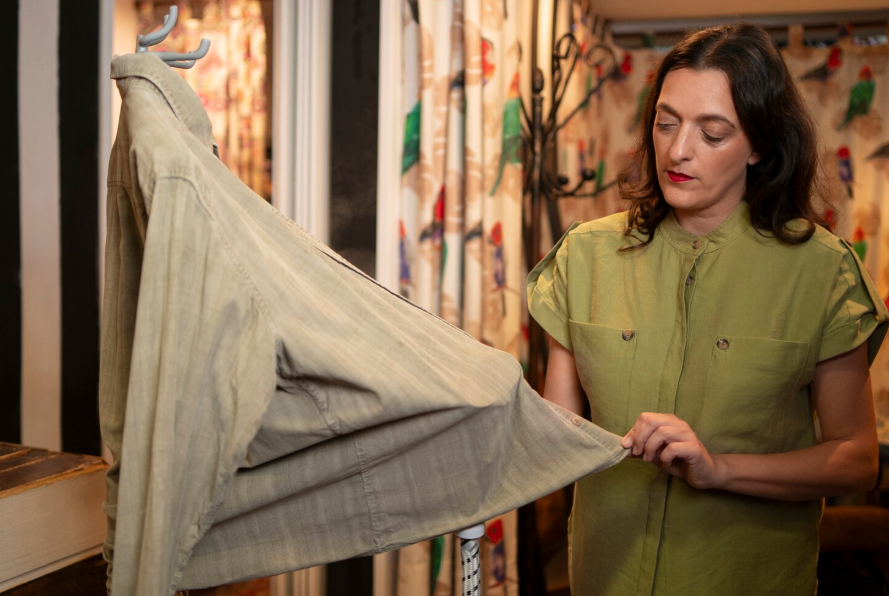
Fashion thrives on reinvention, and material innovation is a key driver of fresh design. Designers explore textures, weights, and finishes to create garments that feel good and look distinctive. Breathable weaves support comfort in warm climates, while layered constructions provide insulation in cooler conditions. Smart treatments add properties such as moisture control, stain resistance, and flexibility, enhancing everyday wear. Fabric and textile development also supports inclusivity by enabling adaptive clothing for diverse body types and mobility needs. As trends evolve, materials enable designers to express creativity while meeting practical expectations for comfort and durability.
Functional Design in Interiors and Architecture
Interior spaces benefit greatly from thoughtful material choices that balance beauty with performance. Upholstery, curtains, and wall coverings influence acoustics, light control, and comfort. Durable weaves extend the life of furniture in high traffic areas, while softer textures create warmth in private spaces. In architecture, innovative composites contribute to insulation, shading, and safety features. The integration of technical finishes improves resistance to wear and simplifies maintenance, making homes and workplaces more efficient. These functional improvements show how materials quietly enhance daily experiences while supporting design goals.
Technology Integration and Smart Applications
Advances in material science have introduced smart applications that respond to user needs. Wearable technology relies on conductive fibers and flexible substrates that support sensors without compromising comfort. Performance gear incorporates temperature regulation and stretch to improve mobility. In healthcare, advanced materials assist in wound care, compression therapy, and hygiene. Fabric and textile research also contributes to protective gear used in sports and industry, offering improved impact resistance and breathability. These developments demonstrate how innovation at the material level unlocks new possibilities across technology driven fields.
Sustainability and Responsible Production
Environmental responsibility has become a core focus for manufacturers and consumers alike. Sustainable sourcing emphasizes renewable fibers, recycled inputs, and reduced chemical use. Cleaner dyeing processes and water efficient treatments lower environmental impact while maintaining quality. Circular design principles encourage repair, reuse, and recycling, extending product lifecycles. Transparent supply chains help build trust and accountability across production stages. By investing in responsible practices, the industry supports long term resource conservation and aligns innovation with ethical values.
Economic and Cultural Impact
Material innovation influences economies by creating jobs across farming, processing, design, and retail. Regional craftsmanship contributes cultural value and preserves traditional skills. Global trade connects producers with diverse markets, supporting economic growth and creative exchange. Fabric and textile industries also shape cultural identity through traditional attire and contemporary fashion movements. As markets evolve, collaboration between artisans, engineers, and entrepreneurs strengthens resilience and competitiveness. This interconnected ecosystem highlights the broader social and economic importance of material driven innovation.
Conclusion
Innovation in materials continues to shape how people dress, furnish spaces, and engage with technology. Progress in manufacturing, design, and sustainability supports products that meet modern expectations for comfort, performance, and responsibility. By combining creative vision with scientific advancement, the industry builds solutions that enhance daily life while respecting environmental limits. The future will likely bring further integration of smart features, ethical practices, and personalized design. As this evolution continues, thoughtful material choices will remain a powerful driver of style, function, and meaningful innovation across industries.